Moyamoya care · India

MoyamoyaAngiopathy

Compassionate diagnosis, expert evaluation, and personalized treatment for patients living with Moyamoya disease.

You are not alone, and Moyamoya is treatable. Let’s take it one step at a time.

  • Trained in Japan
  • Adults & children
  • English · हिंदी
An illustrative journeyScene 1/6

A normal, busy life

Meera, 27, is healthy and active — work, friends, family and her morning chai.

Illustrative story. Every patient is different — please talk to the team about your own care.

Good to know

Four things worth knowing first

  • It is treatable

    Surgical revascularization is the most effective treatment. It restores blood flow to the brain and significantly lowers the risk of future strokes.

  • Not immediately life-threatening

    Moyamoya is not an immediately life-threatening disease. Life expectancy is similar to the general population if treated promptly.

  • Surgery is generally safe

    When performed by experienced cerebrovascular neurosurgeons, revascularization surgery is generally safe and has a high success rate.

  • Recovery is quick

    Hospital recovery typically takes around 5–7 days. Most patients return to normal activities within 4–6 weeks.

Understand it simply

What is Moyamoya?

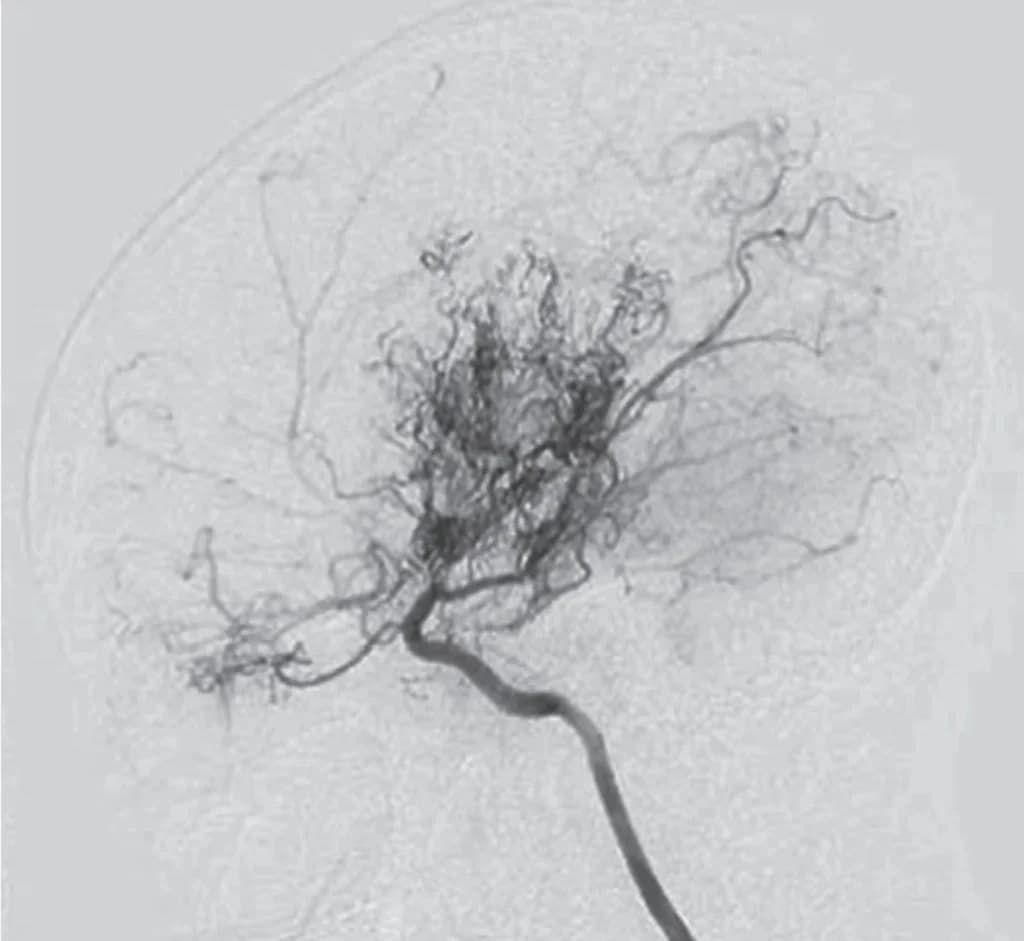
In simple words: the brain’s main arteries slowly narrow, so the body grows tiny new vessels to keep blood flowing. On a scan these look like a ‘puff of smoke’, which is what moyamoya means in Japanese.

A disease where the major blood vessels supplying blood to the brain progressively shut off, resulting in strokes. Natural attempts at improving blood supply to the brain occur through collateral blood vessels.

What happens inside the head

HealthyMoyamoya

Healthy: The main artery is wide open. Blood flows freely into the brain.

  • Arteries filled with dye
  • Narrowed / blocked artery
  • Tiny new vessels (‘puff of smoke’)
  • Brain · Main artery

Think of a water pipe slowly getting blocked: less water reaches the tap, so the body opens tiny side channels to keep the brain supplied.

Read the full medical explanation

The commonest presentation is recurrent stroke (weakness of hands or legs, facial deviation, slurring or loss of speech, vacant stare or loss of consciousness) and affects children and adults. Patients recover from stroke after a short time (Transient ischemic attacks – TIA). Sometimes, major strokes occur due to lack of blood supply to the brain or bleed in the brain. Some patients present with intractable headache only.

Ischemic Moyamoya

Due to deficiency of blood supply

When the collateral channels fail to provide adequate blood supply to the brain, strokes occur.

  • Minor stroke (Transient ischemic attacks – TIAs). Temporary weakness of hands and legs, facial deviation or speech difficulty, that recovers after some time.
  • Major stroke. Near permanent weakness of limbs or loss of speech.
  • Cognitive decline. Presents as poor scholastic performance, low intelligence; occurs due to multiple strokes and chronic low blood supply to the brain.

Hemorrhagic Moyamoya

Due to bleed in the brain

Rarely, the collateral channels become engorged and rupture, resulting in a bleed in the brain.

  • Sudden stroke. Presents with sudden minor or major stroke with variable degrees and rates of improvement.
  • Seen mainly in adults. Hemorrhagic stroke occurs in adults.

Who can be affected?

  • Moyamoya affects children and adults.
  • Both children and adults suffer ischemic strokes.
  • Hemorrhagic stroke occurs in adults.
Cerebral angiogram (DSA) showing the dense ‘puff of smoke’ network of collateral vessels typical of Moyamoya angiopathy‘Puff of smoke’
An actual cerebral angiogram pattern in Moyamoya — the dense tangle of tiny vessels is the tell-tale ‘puff of smoke’.

Signs to watch for

Common signs

Any of these, especially when they repeat, should prompt a check for Moyamoya. Most of them pass quickly, which is exactly why they are easy to miss.

  • Transient ischemic attacks (TIA)

    Minor strokes — transient limb weakness that recovers after a short time.

  • Transient limb weakness

    Minor strokes — an arm or leg suddenly goes weak, then strength returns.

  • Transient limb shaking

    Limb-shaking TIA — rhythmic, involuntary shaking of an arm or leg.

  • Permanent limb weakness

    Lasting weakness of a limb after a major stroke.

  • Speech difficulty, loss of speech

    Slurred, halting or absent speech.

  • Headaches, migraine

    Throbbing or persistent head pain.

  • Seizures (fits)

    Sudden episodes of abnormal movements or loss of awareness.

  • Staring spells, transient visual blurring

    A vacant, unresponsive stare or blurred sight.

  • Recurrent syncope / drop attacks

    Sudden loss of consciousness or a fall.

Noticing a sign does not mean the worst. It means it is worth a conversation with a specialist.

When should you get checked?

Because mini-strokes recover quickly, the signs are often dismissed. These patterns — especially in children — should raise suspicion.

Recurrent transient minor strokes

Patients may complain or may be noticed to have weakness of limbs. This improves in a short time, so that at the time of examination in a clinic, the patient may be normal. In children, the symptoms may be dismissed by the parents and the doctor. Recurrent such episodes in children and adults must raise the suspicion of Moyamoya angiopathy.
Stroke after dehydration

Limb weakness that occurs in patients who suffer dehydration:

  • During fever, vomiting, diarrhea
  • Exertion leading to excessive sweating
  • Decreased water intake, especially during travel and in hot weather

Stroke after hyperventilation

Stroke that occurs in the following situations:

  • Excessive crying in children
  • Deep breathing after eating spicy foods
  • Deep breathing while swimming and in action sports

Your care journey

What happens next, step by step

Most people follow the same four steps. We guide you through each one.

  1. 01

    Consult

    Meet the team and share your history and any earlier scans. Early, correct diagnosis under experienced doctors gives the best outcomes.

  2. 02

    Scans

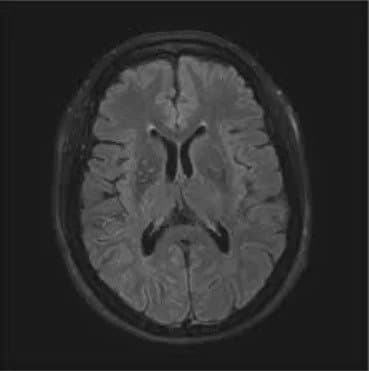
    Diagnosis usually follows three imaging steps: an MRI scan of the brain, a Digital Subtraction Angiogram (DSA) and MR Perfusion imaging.

    • MRI scan of the brain

      MRI · FLAIR

    • Digital Subtraction Angiogram (DSA) of the brain

      DSA · ICA

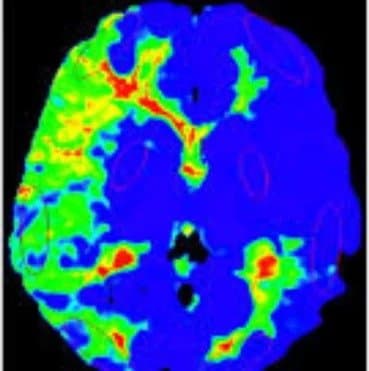
    • MR Perfusion imaging

      CBF map

    What each scan shows
    1. 1MRI scan of the brainA safe, radiation-free scan that reveals any past or recent strokes.
    2. 2Digital Subtraction Angiogram (DSA) of the brainDye traces the arteries — revealing the tell-tale ‘puff of smoke’.
    3. 3MR Perfusion imagingA colour map showing which parts of the brain are starved of blood.
  3. 03

    Daily care and medicines

    Remain well hydrated, avoid over-exertion and keep a simple diary. Medications such as blood thinners (Aspirin and Clopidogrel) and Cilostazol have limited benefit in Moyamoya angiopathy.

    • Remain well hydrated
    • Avoid over-exertion and sweating
    • Keep the child calm
    • Avoid action sports like swimming
    • Avoid rapid, deep breathing
    • Avoid spicy foods
    • Maintain a diary

    Medications such as blood thinners (Aspirin and Clopidogrel) and Cilostazol have limited benefit in Moyamoya angiopathy.

    Daily care tips

    Moyamoya angiopathy is a rare disease. A delay in diagnosis could lead to poor outcomes of treatment. It is important to secure the correct diagnosis at the earliest.

    • Remain well hydratedPatients are advised to remain well hydrated.
    • Avoid over-exertion and sweatingHeavy sweating dries the body out.
    • Keep the child calmPrevent long crying spells that can trigger attacks.
    • Avoid action sports like swimmingEspecially breath-holding.
    • Avoid rapid, deep breathingAvoid over-exertion induced rapid and deep breathing.
    • Avoid spicy foodsThey can prompt deep, reflexive breathing.
    • Maintain a diaryMaintain a diary of events, blood pressure recordings and fluid chart.
  4. 04

    Surgery and recovery

    Early revascularization surgery is beneficial. Hospital recovery typically takes around 5–7 days, and most patients return to normal activities within 4–6 weeks.

    Direct · Brain bypass

    Direct revascularization surgery (Brain bypass surgery)

    A scalp artery (STA) is stitched onto a brain vessel (MCA).

    Indirect · New vessels

    Indirect revascularization surgery

    Over weeks, it grows tiny new vessels — like roots.

    Surgery has the most benefit before a major stroke causes permanent damage — which is why early diagnosis matters so much.

    How bypass surgery works
    • STA — scalp artery
    • MCA — brain artery
    • Anastomosis (the join)
    • Blocked internal carotid

    Direct revascularization surgery (Brain bypass surgery)

    A tiny blood vessel from the scalp is harvested and surgically connected to a blood vessel in the brain. This surgery allows blood to bypass the obstruction in the internal carotid artery and reach the brain. This technically demanding surgery is always done in combination with the indirect revascularization surgery.

    Think of it like building a detour around a closed road: a small scalp artery is connected straight to a brain vessel, so blood can flow past the blockage right away.

    • Muscle / dura / galea
    • New vessels
    • Brain surface

    Indirect revascularization surgery

    Tissues in the vicinity of the brain such as the muscle (temporalis muscle), dura (covering membrane of the brain) and galea (scalp tissue) are surgically attached to the brain surface. New blood vessels sprout from these tissues to supply the oxygen-starved brain.

    Like laying fresh turf so grass can root, healthy nearby tissue is rested on the brain. Over the following weeks it naturally grows new blood vessels down into the hungry brain.

Meet your doctors

Experienced hands you can trust

Neurosurgeons with focused experience in Moyamoya, trained in India and Japan.

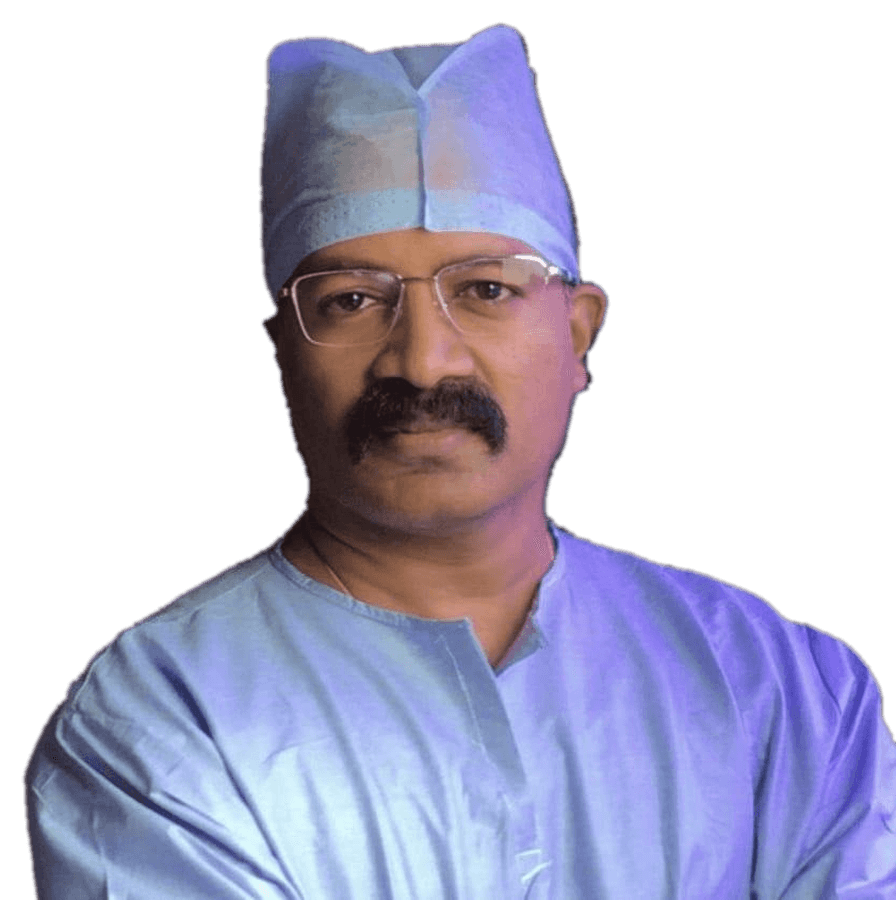
Prof. Dr. B. Jayanand Sudhir

Prof. Dr. B. Jayanand Sudhir

Senior Consultant Neurosurgeon

Yashoda Hospitals, Hyderabad

Professor Dr. B. Jayanand Sudhir has over 16 years of experience in Neurosurgery with over 14 years of experience in treating Moyamoya angiopathy. He has obtained training for brain bypass surgery from SCTIMST, Trivandrum, Hokkaido University Hospital and Teishinkai Hospital in Sapporo, Japan.

Dr. B. Jayanand Sudhir is currently Senior Consultant Neurosurgeon at Yashoda Hospitals, Hyderabad.

  • 16+ years in neurosurgery
  • 14+ years treating Moyamoya
  • Brain bypass training — SCTIMST, Hokkaido University Hospital & Teishinkai Hospital, Japan
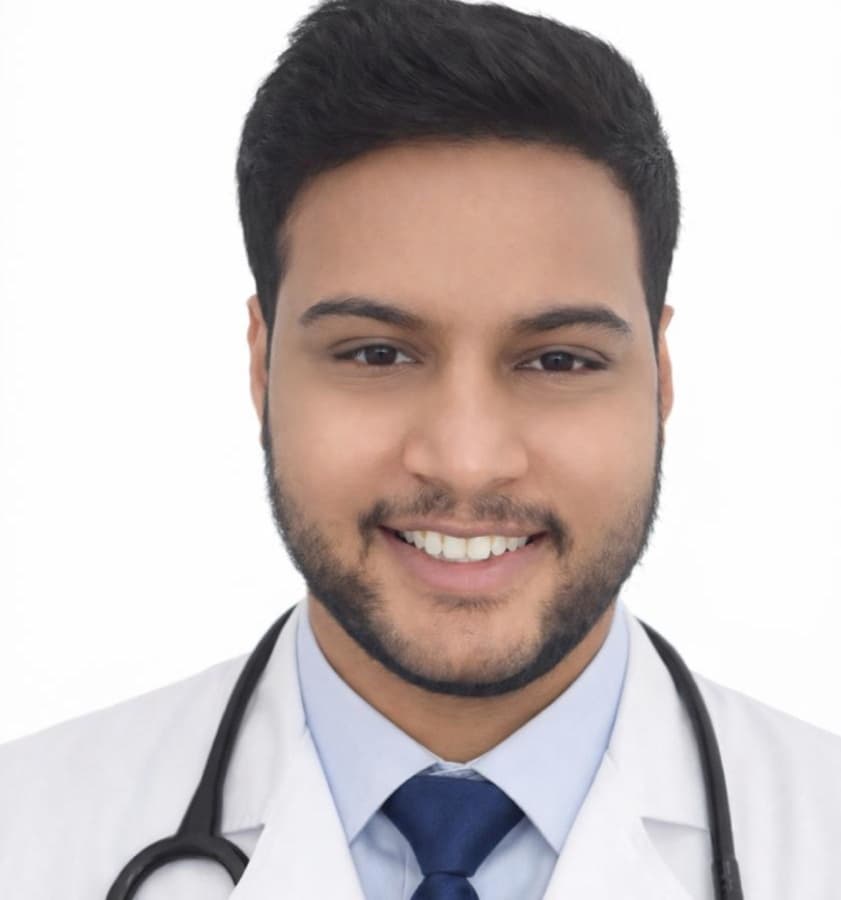
Dr. Vamshi Reddy P

Dr. Vamshi Reddy P

Associate Consultant

Neurosurgery

Dr. Vamshi Reddy P. completed his neurosurgical training at SCTIMST, Trivandrum, and currently serves as an Associate Consultant.

  • Neurosurgical training — SCTIMST, Trivandrum

Where to find us

Consultation for Moyamoya angiopathy is available at

  • Hyderabad

    Yashoda Hospital, Malakpet

    Room No. 302, OP Block, Yashoda Hospital, Malakpet, Hyderabad, Telangana
    Get directions
  • Trivandrum

    Satoyama

    Satoyama, Raman Lane, Opp. Raymond showroom, Plamoodu, Pattom, Trivandrum, Kerala
    Get directions
  • Adilabad

    Tirumala Hospital

    Tirumala Hospital, Opp. Adilabad New Bus Stand, Adilabad, Telangana
    Get directions

Questions, answered

FAQs

Straight answers to the questions patients and families ask most.

  • Moyamoya disease is a rare and progressive disorder in which the major blood vessels supplying the brain gradually narrow or become blocked. This leads to reduced blood flow and increases the risk of stroke due to blockage of blood flow or bleeding in the brain.

Talk to us

A quick call is the easiest first step

Tell us what you have noticed. We will help you understand what to do next.

Consultations by appointment at Hyderabad, Trivandrum and Adilabad.

Prefer to write? Send us a message

Please do not share scans, reports or sensitive medical details through this form. For clinical evaluation, book an in-person consultation.

By sending this message you agree to our Privacy Policy.